Introduction
Reverse logistics is an essential part of modern supply chains. It involves moving goods from the end customer back to the manufacturer. This backward flow supports activities such as returns, refurbishing, recycling, or disposal. In today’s sustainability-driven market, reverse logistics is no longer optional; it is a strategic necessity.
Understanding Reverse Logistics
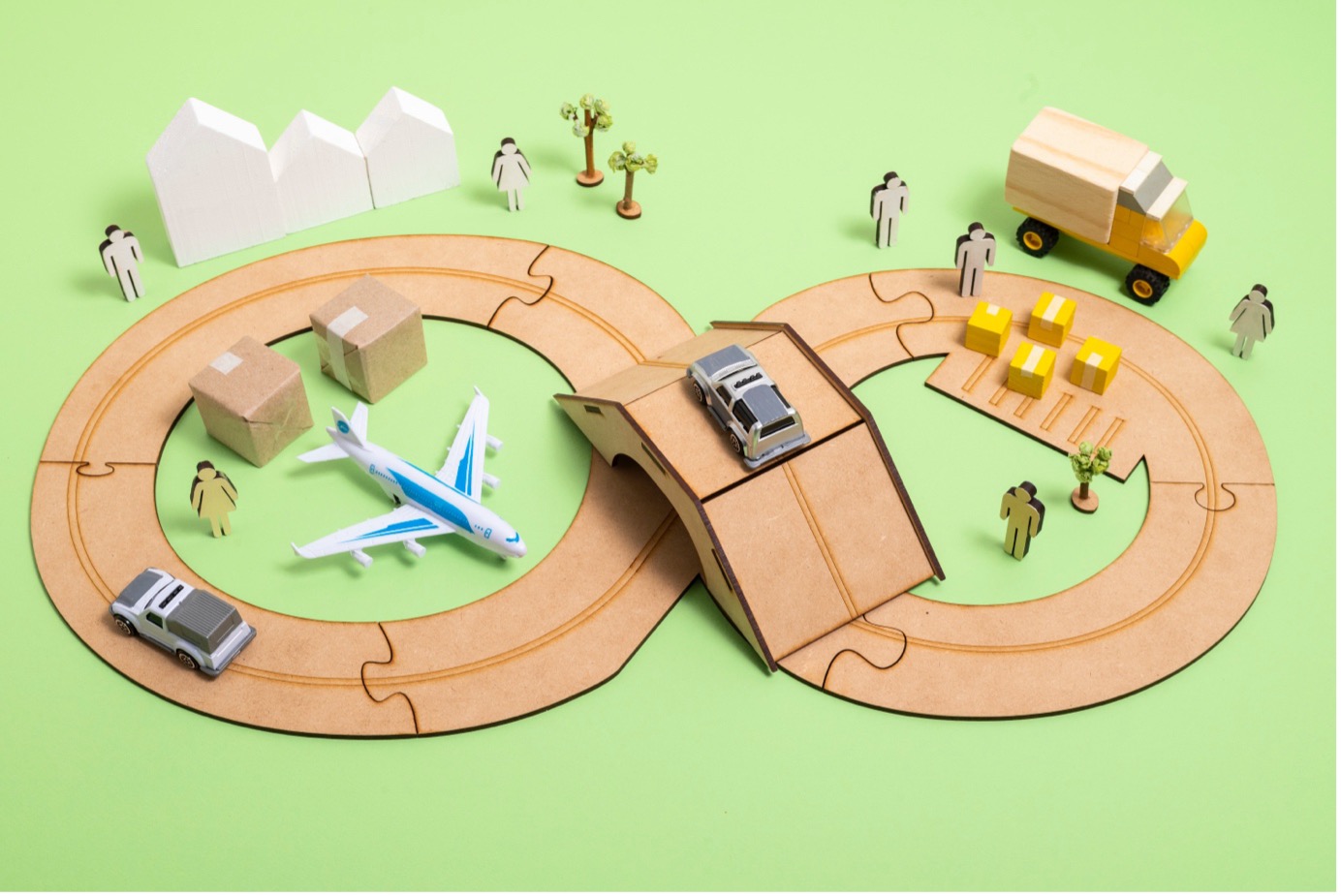
Reverse logistics manages the process of goods moving in the opposite direction of traditional distribution. It covers the complete journey of a product after sale, ensuring efficient handling of items that are returned, repaired, reused, or recycled.
While forward logistics focuses on product delivery, reverse logistics focuses on product recovery. Both are equally vital for an efficient and sustainable supply chain.
Why Reverse Logistics Is Important
The growing emphasis on sustainability and circular economies has made reverse logistics a key focus area for many industries. It not only reduces waste but also helps recover value from returned or damaged goods. Companies that implement effective reverse logistics strategies can reduce costs, boost resource efficiency, and improve brand reputation.
A strong reverse logistics system enhances customer satisfaction. It provides a seamless return experience and reinforces trust in the brand. In competitive markets, customer loyalty often depends on how well a business handles returns.
Key Aspects of Reverse Logistics
Reverse logistics includes several interconnected functions. Each plays a role in ensuring smooth and sustainable product flow.
- Processing Returns: This covers the initiation of return requests, customer coordination, and the preparation of items for collection. Clear policies and proper communication set the foundation for efficient handling.
- Transportation: Logistics partners manage the movement of returned goods from customers, stores, or collection points back to the warehouse. Timely transportation ensures items arrive safely and supports consolidated, cost-efficient return operations.
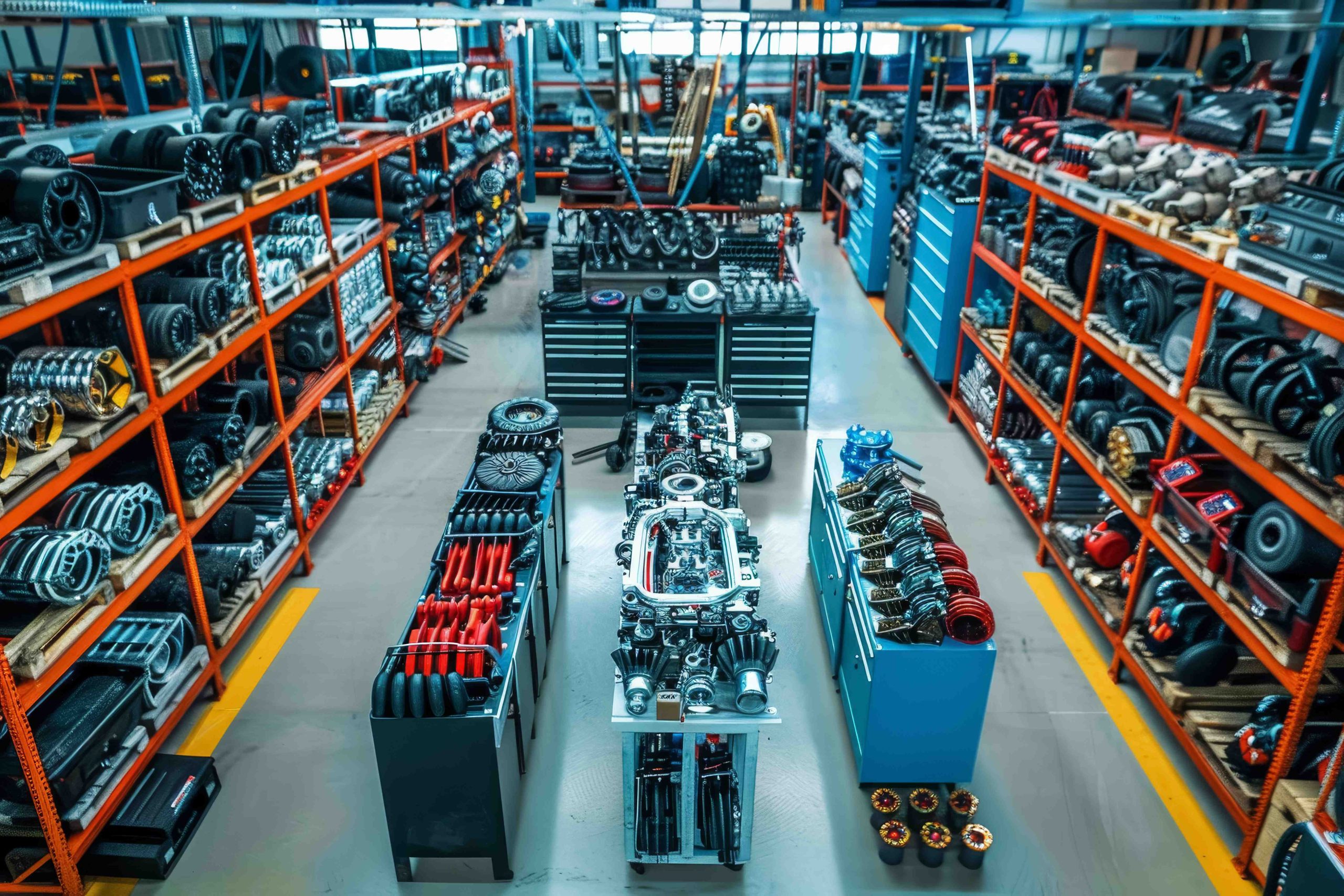
- Inspection and Sorting: Once items reach the warehouse, they are inspected, scanned, and categorised based on condition. This determines whether a product should be restocked, repaired, recycled, or disposed of. Accurate sorting improves efficiency and reduces waste.
- Refurbishing / Recycling / Responsible Disposal: Depending on the outcome of inspection, goods may be refurbished for resale, recycled for material recovery, or disposed of responsibly. These processes help companies recover value while supporting sustainability goals.
These processes help companies recover value from returned items while reducing environmental impact. They also support compliance with sustainability goals and environmental standards.
Role of 3PLs in Reverse Logistics
Reverse logistics relies heavily on the capabilities of logistics partners. A strong 3PL plays a central role in ensuring that returned products move efficiently through the supply chain, supporting both operational performance and sustainability goals.
By managing transportation, inspection, sorting, consolidation, and coordinated recovery workflows, 3PLs help businesses reduce waste and maximise the value of returned goods. These operational efficiencies also contribute to lower carbon impact through optimised routes, reduced duplicate movements, and better inventory visibility.
Companies that work with experienced logistics providers are better positioned to meet sustainability requirements and ESG expectations. Through systematic processes aligned with circular-economy principles, 3PLs help ensure that products and materials are reused, recycled, or redirected responsibly rather than discarded.
Technology in Reverse Logistics
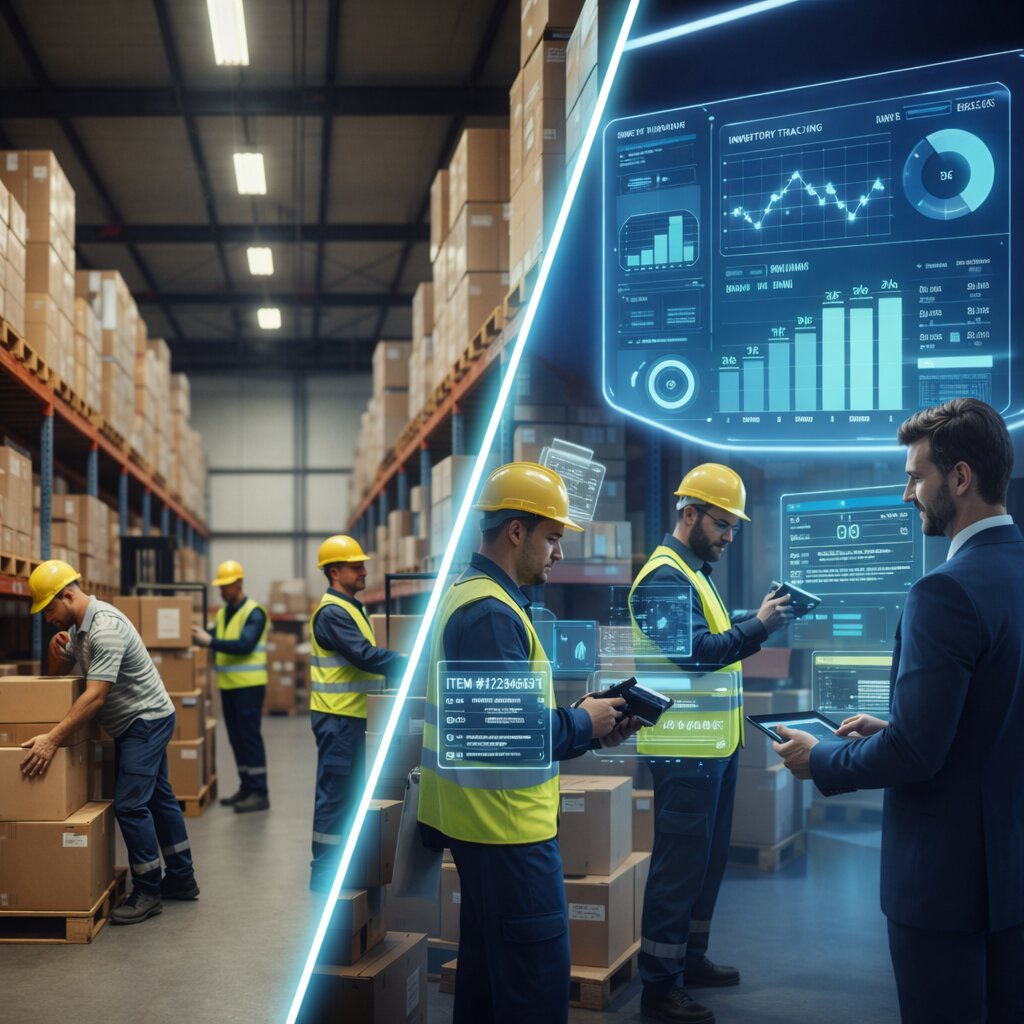
Technology plays an increasingly important role in reverse logistics. Modern systems leverage automation, data analytics, and digital tracking to improve efficiency and transparency.
Real-time tracking enables accurate monitoring of returned goods. Data analytics helps identify return patterns, forecast demand, and manage inventory better. Automation reduces manual handling errors, improving accuracy and speed.
These innovations make reverse logistics not only more sustainable but also more profitable. They empower companies to make data-driven decisions that enhance overall logistics performance.
Building a Future-Ready Reverse Logistics System
To build a strong reverse logistics system, companies should focus on four key elements:
- Clear return policies and customer communication.
- Integrated tracking and data management systems.
- Efficient sorting, refurbishing, and recycling processes.
- Continuous evaluation for cost and environmental performance.
A future-ready system improves profitability and helps businesses achieve long-term sustainability goals. It also supports global efforts toward a circular economy by closing the loop in the product lifecycle.
Conclusion
Reverse logistics is more than a process for handling returns — it is a strategic driver for efficiency, customer trust, and sustainability.
Companies that invest in well-designed reverse logistics systems will not only reduce waste but also uncover new opportunities for value recovery.
In an era where sustainability defines competitiveness, mastering reverse logistics is essential for any business that wants to thrive in the modern supply chain landscape.
Optimise your logistics with EFL 3PL Malaysia from end to end. Start improving your returns, recycling, and resource recovery with a smarter reverse logistics approach.