Introduction
In supply chain operations, “Returns management” and “Reverse logistics” terms are often confused. While they are related, they serve different purposes. Knowing the distinction between the two helps businesses improve efficiency, strengthen customer relationships, and achieve sustainability goals.
1. What Is Returns Management
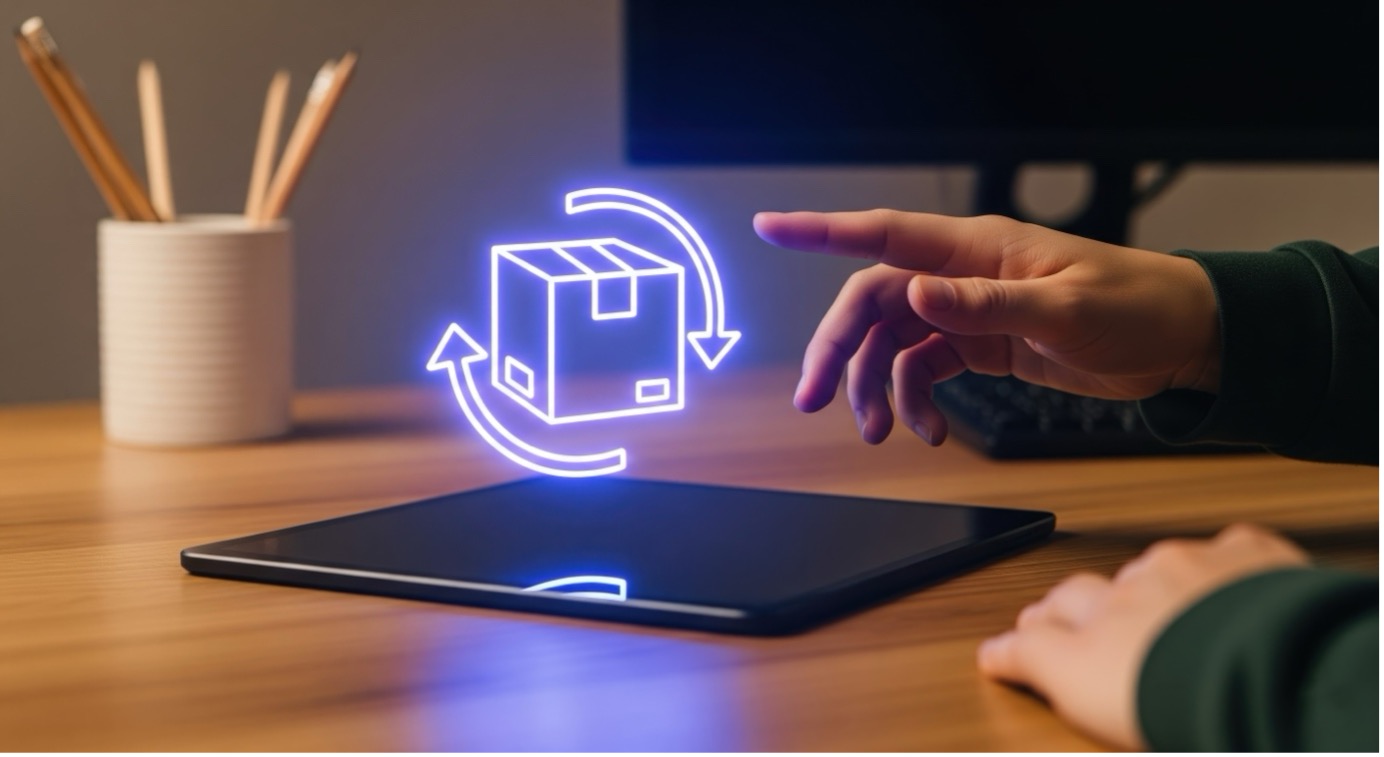
Returns management focuses on the process of handling products that customers send back. It includes receiving, inspecting, restocking, refunding, or replacing items.
A smooth and transparent returns process builds customer trust. It ensures that customers have a positive experience even when returning a product.
Effective returns management requires clear policies and streamlined operations. Each return should follow a consistent workflow, from the customer’s request to the final resolution. The objective is to reduce friction, and turn returns into opportunities to enhance brand loyalty.
2. What Is Reverse Logistics
Reverse logistics covers a wider scope than returns management. It deals with all activities related to moving goods from customers back through the supply chain. This includes returns, repairs, refurbishments, recycling, and proper disposal.
While returns management is one step in the process, reverse logistics represents the full system that enables resource recovery and sustainable waste reduction.
Reverse logistics focuses on the strategic side of operations. It aims to recover value, reduce environmental impact, and optimize the flow of materials back into production. By closing the loop, businesses can turn waste into resources and extend the product life cycle.
3. Key Differences Between Returns Management and Reverse Logistics
Both functions are critical, but their goals and impact differ. Returns management is more customer-facing, while reverse logistics drives broader operational and environmental efficiency.
| Aspect |
Returns Management |
Reverse Logistics |
| Focus |
Customer returns |
Full reverse flow of goods |
| Objective |
Smooth customer experience |
Value recovery and sustainability |
| Scope |
Refunds, inspections, exchanges |
Recycling, refurbishing, disposal |
| Impact |
Enhances customer satisfaction |
Improves supply chain efficiency |
Recognizing these differences helps businesses allocate resources effectively. It also ensures that both processes work together rather than overlap or conflict.
4. How Technology Improves Both Processes
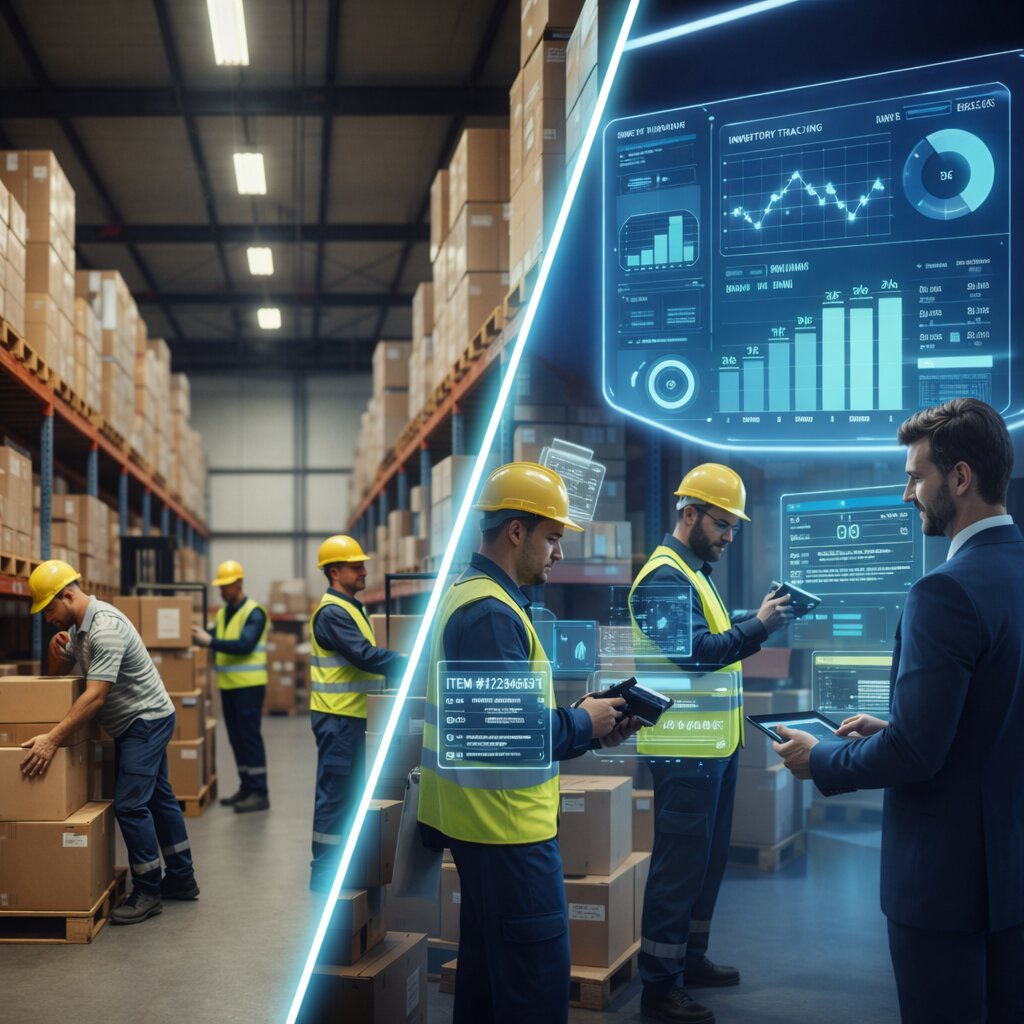
Technology plays a key role in optimizing returns management and reverse logistics. Real-time tracking systems provide visibility at every stage of the reverse supply chain. Automation tools reduce manual errors and speed up returns processing.
Data analytics helps companies identify patterns in customer returns, product defects, and inventory flow. With these insights, businesses can make informed decisions to improve product quality, reduce returns, and enhance operational efficiency.
For example, integrating advanced tracking software with warehouse systems allows companies to trace every product from the point of return to its destination. This transparency improves accuracy, accountability, and customer trust.
5. Best Practices for a Unified System
To get the most out of both returns management and reverse logistics, companies should align them under one cohesive strategy. The following best practices help create a more efficient and sustainable system:
- Define clear return policies. Make return procedures easy to understand and accessible to customers.
- Centralize processing centers. Consolidate returns and repairs to save time and cost.
- Use real-time tracking. Ensure every returned item is traceable throughout the process.
- Leverage data analytics. Use insights from return trends to improve product design and quality.
- Promote recycling and refurbishing. Reduce waste and recover value wherever possible.
When implemented together, these practices create a well-structured reverse logistics ecosystem. They improve cost efficiency, support sustainability, and enhance customer satisfaction.
6. Why It Matters for Business Growth
Strong returns management helps retain customers. Effective reverse logistics creates financial and environmental value. Together, they form the foundation of a resilient and responsible supply chain.
In a competitive market, companies that handle returns efficiently can differentiate themselves and improve brand loyalty. Those that master reverse logistics gain an additional edge by reducing waste and operating more sustainably.
Reverse logistics is an essential part of modern supply chains. It involves moving goods from the end customer back to the manufacturer. This backward flow supports activities such as returns, refurbishing, recycling, or disposal. In today’s sustainability-driven market, reverse logistics is no longer optional, it is a strategic necessity.
Conclusion
Returns management and reverse logistics are not the same, but they are equally essential. Returns management focuses on customer satisfaction and operational accuracy. Reverse logistics supports long-term sustainability and value recovery.
When combined, they create a powerful framework for business success. Companies that invest in both areas can achieve cost savings, reduce their environmental footprint, and strengthen relationships with their customers.
Explore with EFL 3PL Malaysia how integrating returns management and sustainable reverse logistics can enhance performance, reduce waste, and improve customer experience.