Introduction
Malaysia’s digital retail sector is experiencing rapid, transformative growth. With consumers shifting heavily toward online shopping and brands expanding across marketplaces, social commerce, and their own e-stores, the demand for fast and dependable fulfilment has never been greater.
According to the Malaysia Competition Commission (2025), online retail continues to climb year after year, driven by rising smartphone usage, improved payment systems, and higher consumer trust in e-commerce. Malaysia’s e-commerce revenue rose 1.9% year-on-year to RM937.5 billion in the first nine months of 2025, with the sector contributing significantly to the digital economy’s 23.4% share of GDP (The Star, 2025). As this surge continues, businesses are discovering a new reality: digital retail growth is only as strong as the warehouse’s fulfilment system supporting it.
To keep up with customer expectations for fast delivery, accurate orders, and real-time visibility, businesses must rethink how they store, process, and ship their inventory.
How Digital Retail Is Changing Fulfilment Demands
- Faster Delivery Expectations
Customers now expect same-day or next-day delivery even outside major cities. This expectation is shaped by big e-commerce platforms and quickly becomes the standard across all online brands.
This puts pressure on fulfilment centers to:
- Reduce processing and turnaround times
- Improve inventory accuracy
- Position stock closer to customer clusters
Warehouses can no longer operate with traditional manual systems; automation, optimized workflow design, and strong operating procedures are becoming essential.
- Higher Order Volumes & Unpredictable Peaks
Digital retail demand fluctuates widely, especially during:
- 11.11 and 12.12 mega sales
Warehouses must be built to scale quickly, often needing sudden manpower increases, additional racking space, and extended operating hours. Businesses relying solely on in-house fulfilment often struggle during these surges, leading to delays, backlogs, and customer complaints.
A multi-client 3PL warehouse, on the other hand, can absorb volume shocks with shared resources and flexible capacity.
- Multi-Channel Fulfilment Is Now the Norm
Modern retailers are no longer selling on just one platform. A single brand may operate on:
- WhatsApp or social commerce
Each channel has different order formats, cut-off times, packing requirements, and return rules. Fulfilment becomes increasingly complex unless supported by:
- an advanced Warehouse Management System (WMS)
- centralized inventory sync
Without these, overselling, duplicate orders, and stock inaccuracies become common, impacting revenue and customer trust.
- The Need for Better Inventory Visibility
As digital retail expands, businesses need real-time visibility into available stock, inbound and outbound movements, SKU-level performance, and ageing or forecasted demand. With accurate inventory insights, companies can make smarter purchasing decisions and replenish faster, ensuring healthier cash flow and fewer stockouts.
Modern fulfilment partners now offer advanced dashboards and analytics to replace outdated spreadsheets and manual stock checks, giving retailers the control and accuracy required to scale confidently.
Why Digital Retail Businesses Are Outsourcing Fulfilment
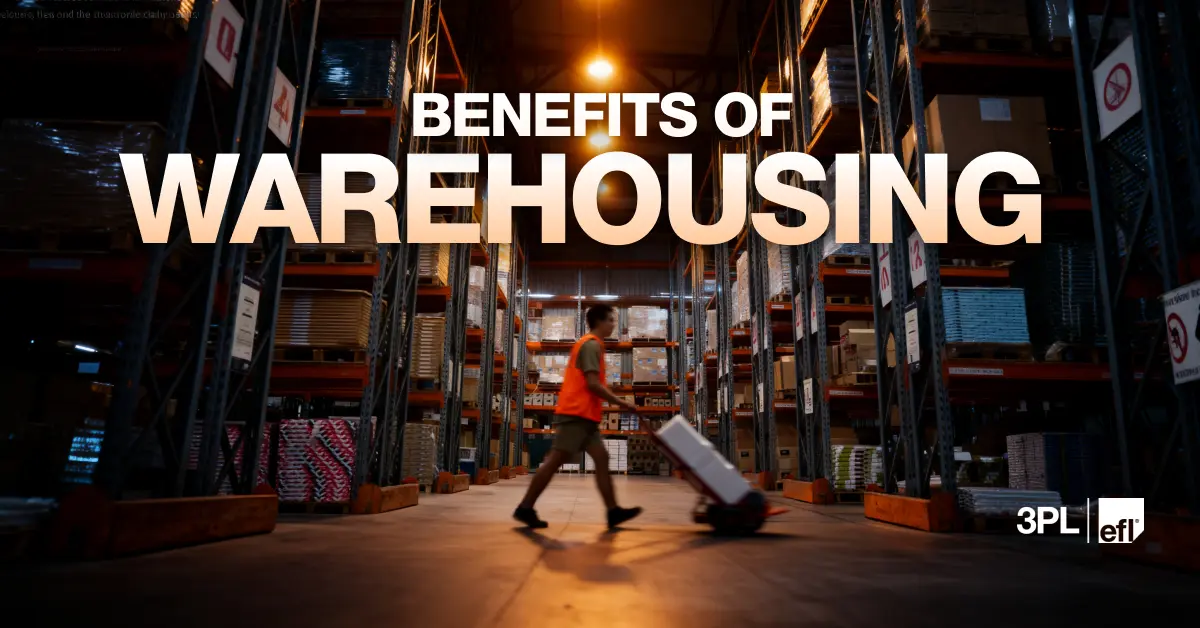
As operations become more complex, more Malaysian brands are turning to third-party logistics (3PL) partners to handle warehouses, manpower, systems, and daily fulfilment tasks.
Key reasons include:
- Lower overheads (no warehouse rental, staff, or system investment)
- Faster order processing through optimized WMS and SOPs
- Better last-mile connectivity through established courier networks
- Scalability during peak seasons
- Centralized logistics for nationwide reach
Instead of expanding internal teams, businesses can focus on marketing, product development, and customer engagement while fulfilment is handled by experts.
How EFL 3PL Supports Malaysia’s Growing Digital Retail Industry
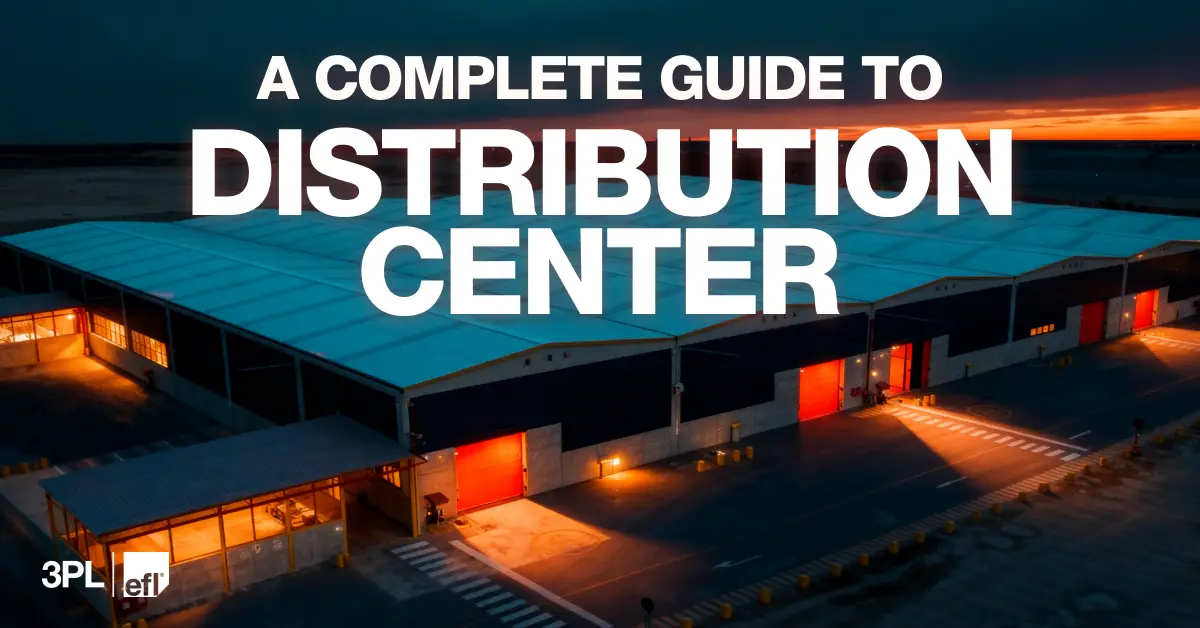
EFL 3PL is designed to meet the demands of fast-paced online retail. From its modern warehouse in Bukit Raja, Klang, EFL 3PL offers:
- A streamlined, high-capacity fulfilment environment
- Advanced WMS with real-time inventory visibility
- Fast processing for marketplaces and e-commerce orders
- Flexible storage and manpower allocation
- Strategic proximity to Port Klang and major highways for faster delivery
Whether a brand handles 50 orders a day or 5,000 during peak campaigns, EFL 3PL provides the infrastructure to maintain speed, accuracy, and reliability.
Malaysia’s digital retail boom is reshaping fulfilment expectations. Consumers want speed, accuracy, and transparency, and only businesses with a strong logistics backbone can deliver consistently. With EFL 3PL, brands can scale confidently, handle surging order volumes, and maintain fast delivery across Malaysia.
Ready to strengthen your fulfilment strategy? Get in touch with EFL 3PL today and streamline your warehouse operations for Malaysia’s digital-first retail growth.