1 September 2026 | 15 Minutes
Top 15 3PL Companies in India for Reliable Third-Party Logistics Services
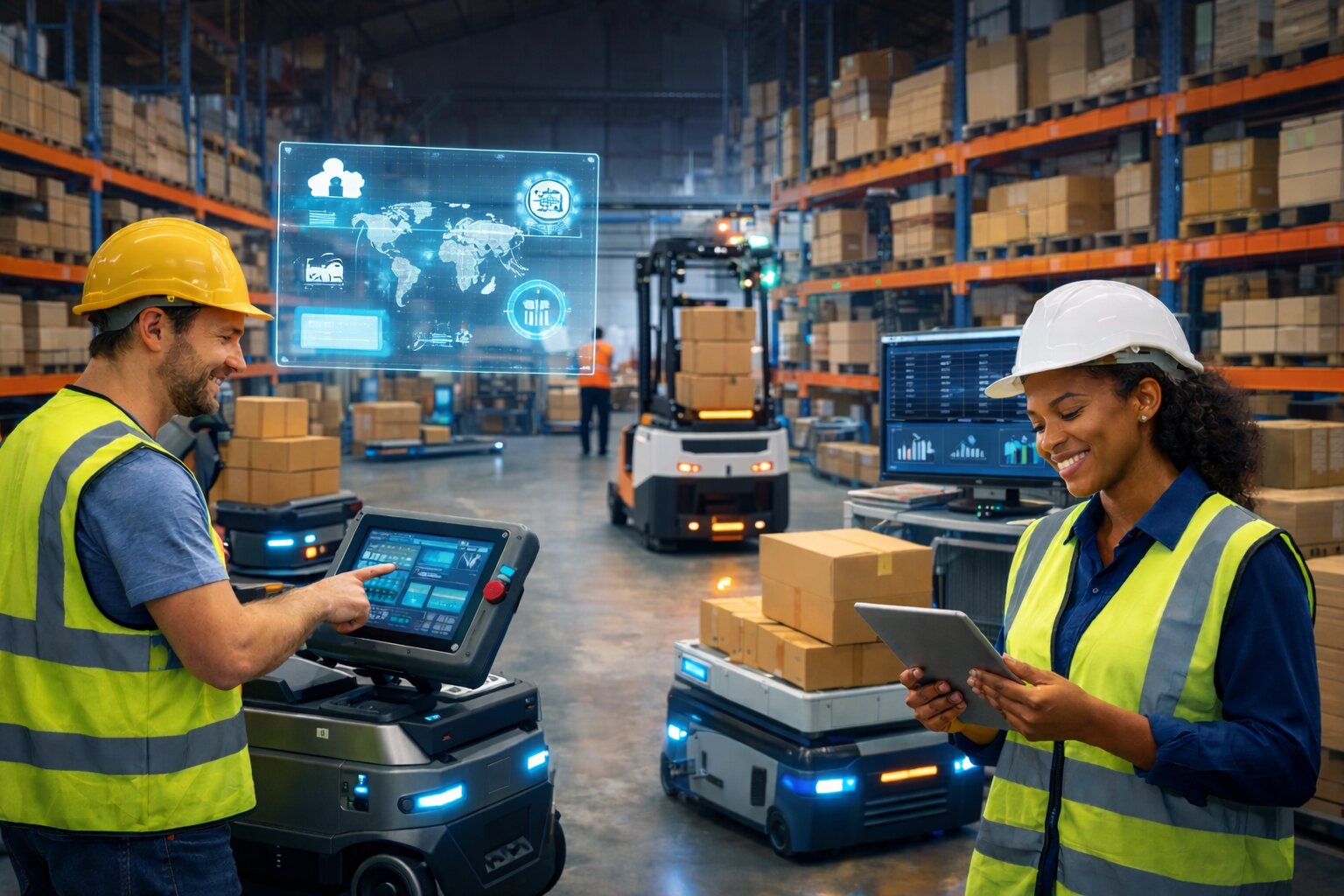
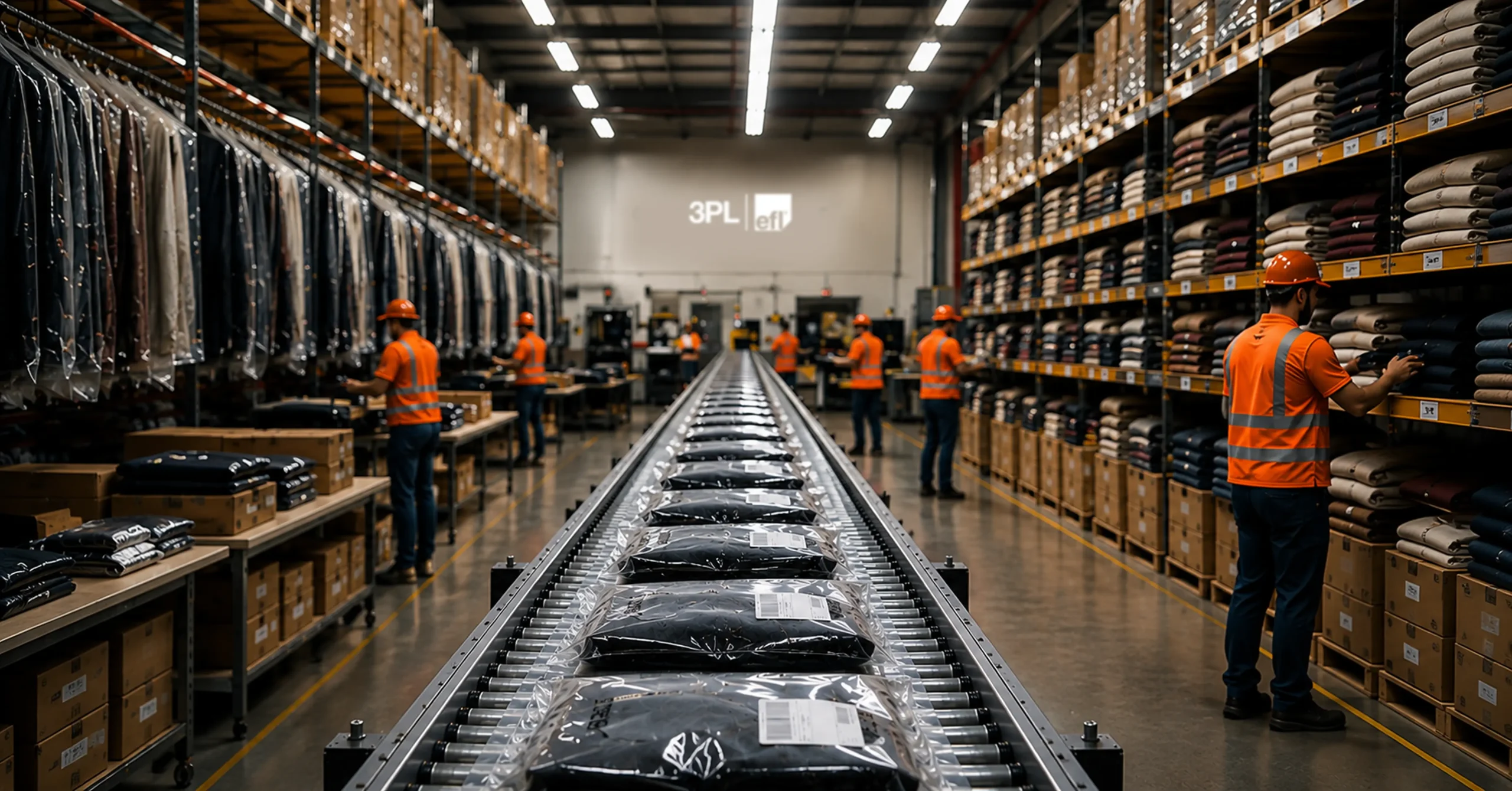
The warehousing industry is evolving faster than ever. Traditional automation focused solely on machines and robots is giving way to human-centric autonomation, where technology and human expertise work hand in hand. This shift is not just a trend—it’s becoming the new competitive edge for companies operating in 3pl warehouses and 3pl logistics. By integrating human insight with advanced technology, businesses can improve operational efficiency, enhance worker satisfaction, and achieve higher accuracy in warehouse processes. Providers like EFL 3PL are already leading the way in this transformation.
Human-centric automation is an approach that prioritizes human collaboration alongside machines, rather than replacing human workers entirely. Unlike traditional automation, which focuses on speed and cost reduction, this model emphasizes:
In a modern 3PL warehouse, human-centric automation might include wearable devices that guide staff, collaborative robots (Cobots) that assist in heavy lifting, and intelligent software that predicts workflow needs.
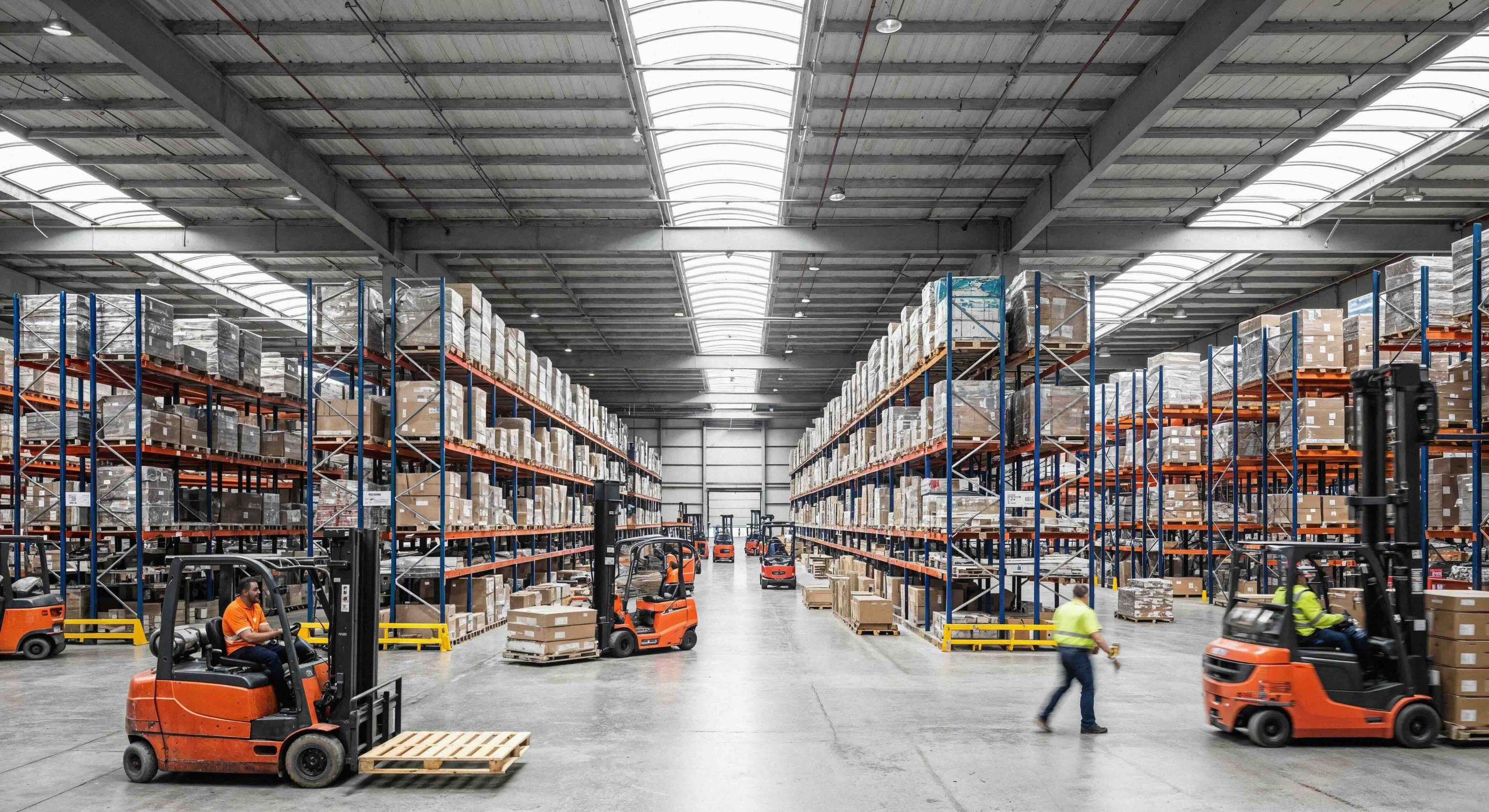
Third-party logistics providers (3PL) are vital to supply chain efficiency. 3PL warehousing service providers streamline inventory management, goods handling, and order fulfillment, ensuring that products move quickly and accurately from the warehouse to the customer. Automation in 3PL settings can reduce errors, increase throughput, and lower operational costs. However, a purely machine-driven approach can overlook nuances that humans excel at—like problem-solving during unexpected supply chain disruptions.
Leading warehousing Companies like EFL 3PL are integrating human-centric systems in their warehouses, achieving higher productivity while keeping their workforce engaged and satisfied.
Looking ahead, human-centric automation will continue to evolve:
Businesses that embrace this model will have a clear edge over competitors relying solely on traditional automation methods.
Human-centric automation is transforming the warehousing industry. By combining technology with human expertise, 3PL warehouses and 3PL logistics providers can achieve higher efficiency, better worker engagement, and stronger competitive advantage. If you want to explore how this approach can transform your operations, consider consulting experts like EFL 3PL, who are at the forefront of human-centric warehouse solutions.