1 September 2026 | 15 Minutes
Top 15 3PL Companies in India for Reliable Third-Party Logistics Services
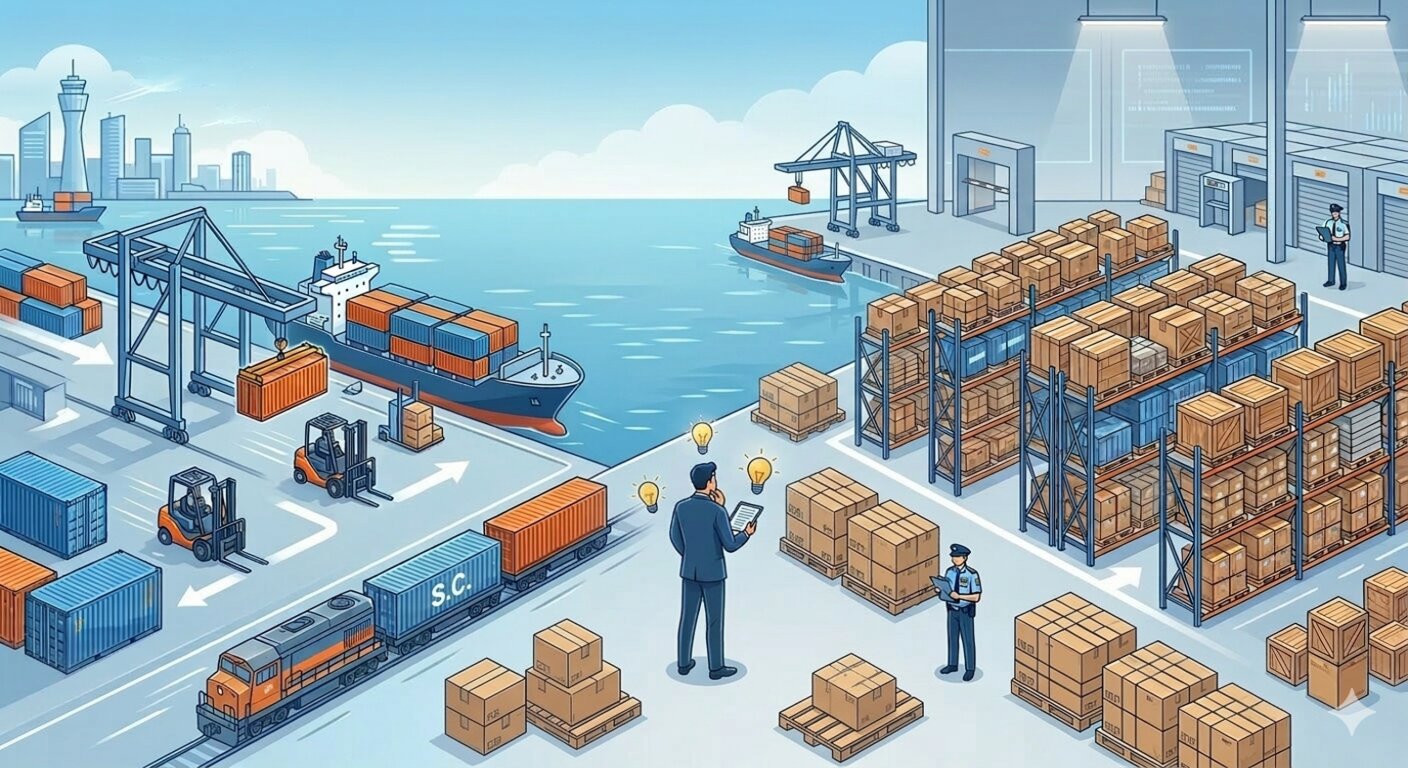
Choosing the right warehouse solution is crucial for brands looking to optimize costs, compliance, and supply chain efficiency. In Sri Lanka, businesses often face a choice between free trade zone (FTZ) warehouses and bonded warehouses. Each option offers unique benefits depending on your inventory type, import/export strategy, and operational needs. Providers like EFL 3PL are helping businesses navigate these options, offering tailored solutions through their freeport warehouses.
Free trade zone warehousing refers to storage facilities located within a designated FTZ area. These warehouses allow brands to store imported goods duty-free until they are sold or exported.
Key advantages of FTZ warehousing include:
This solution is ideal for brands that frequently import raw materials for export-oriented manufacturing, companies that bring goods in for minor processing and re-exporting, or BOI-approved manufacturing companies.
Bonded warehouses in Sri Lanka are government-approved facilities where imported goods can be stored under customs supervision without paying duties upfront.
Key benefits of bonded warehouses include:
Bonded warehouses are best suited for businesses that want to import products for domestic sales while delaying duty payments to optimize financial operations.
While both FTZ warehousing and bonded warehouses allow for duty deferral, they differ in purpose and operational focus:
Understanding these distinctions is critical for making the right decision for your brand.
Choosing between FTZ warehousing and bonded warehouses requires expert guidance. EFL 3PL provides:
By partnering with an experienced 3PL provider, your brand can reduce costs, improve supply chain efficiency, and focus on growth.
Deciding between free trade zone warehousing and bonded warehouses in Sri Lanka depends on your business needs, product type, and trade strategy. With expert guidance from EFL 3PL, you can confidently select the solution that ensures regulatory compliance, operational flexibility, and cost efficiency. Whether you prioritize duty-free storage for exports or deferred customs payments for domestic sales, the right warehouse solution can become a strategic advantage for your brand.