Introduction
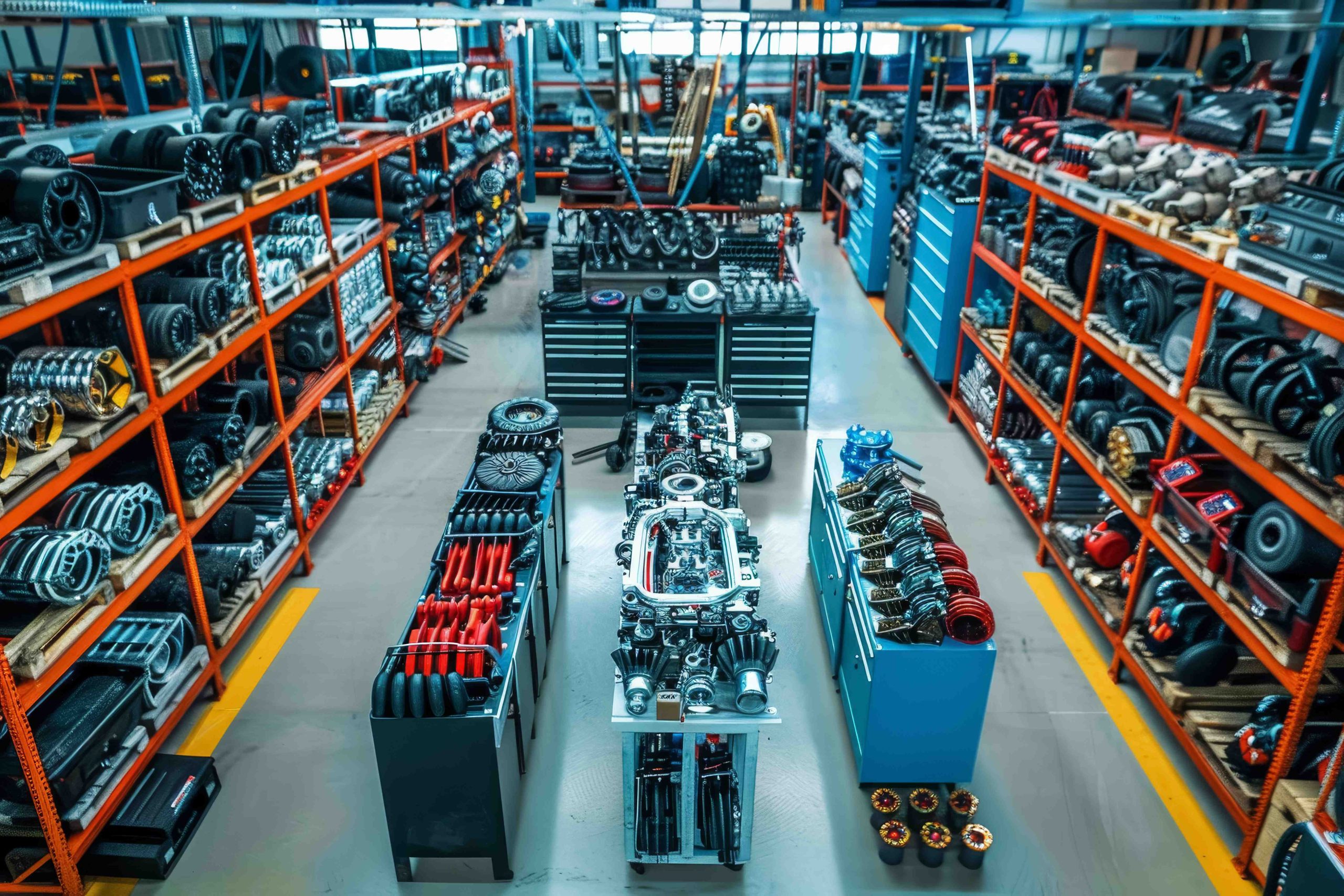
Automotive aftermarket distributors in Malaysia handle thousands of SKUs, from high-demand brake pads to specialized engine components. The challenge lies in balancing fast-moving parts that generate consistent revenue against slow-moving items that tie up capital. Without proper optimization strategies, distributors risk stockouts on critical parts while accumulating obsolete inventory.
Understanding Fast-Moving vs Slow-Moving Parts
Fast-moving automotive parts include filters, brake pads, and spark plugs with predictable, frequent demand patterns. Slow-moving parts such as specialized sensors or model-specific components sell infrequently, creating forecasting challenges due to limited historical data.
Fast-movers typically represent 20-30% of SKUs but generate 70-80% of revenue, while slow-movers make up the majority of inventory but contribute less to overall sales. The key difference lies in demand volatility: fast-moving items benefit from continuous replenishment cycles, whereas slow-moving parts require different stocking strategies to avoid tying up working capital.
According to industry research, aftermarket distributors can reduce inventory holding costs by 12-25% through proper classification and targeted optimization strategies (Slimstock, 2024).
Strategic Inventory Segmentation for Better Control
Effective aftermarket distribution requires moving beyond simple ABC classification to implement service-level-driven inventory strategies. Rather than applying blanket stock policies, distributors should segment inventory based on multiple factors:
- Demand Frequency: Track how often each part is ordered and adjust stock levels accordingly.
- Profit Margin: Prioritize high-margin items for optimal stock availability while managing low-margin parts more conservatively.
- Criticality Rating: VOR (Vehicle Off Road) parts that keep vehicles operational require higher service targets despite lower turnover.
- Supplier Lead Times: Parts with longer lead times need higher safety stock to prevent stockouts.
Malaysia’s diverse vehicle population from Proton and Perodua to Japanese and European brands requires sophisticated segmentation to handle varying part lifecycles and demand patterns across different vehicle segments.
Optimizing Stock Levels with Data-Driven Forecasting
Modern aftermarket distribution demands advanced forecasting techniques beyond historical averages. For fast-moving parts, statistical forecasting works well due to consistent demand patterns. However, slow-moving items benefit from probability-based forecasting that accounts for intermittent demand and seasonal variations.
Key optimization strategies include:
- Automated Reorder Points: Systems trigger replenishment for fast-movers while flagging slow-moving inventory for promotional activities or strategic redistribution.
- Real-Time Inventory Visibility: Prevents both stockouts and overstock situations, ensuring capital isn’t tied up in parts that rarely move.
- Vehicle Population Analytics: Track regional vehicle populations to anticipate demand and part obsolescence as vehicle models age.
By analyzing sales velocity, turnover rates, and carrying costs, Malaysian distributors can fine-tune stock levels to match actual market demand rather than relying on guesswork. Industry data shows that optimized inventory management can improve service levels while reducing excess stock by up to 30% (ToolsGroup, 2024).
How EFL 3PL Optimizes Automotive Aftermarket Distribution
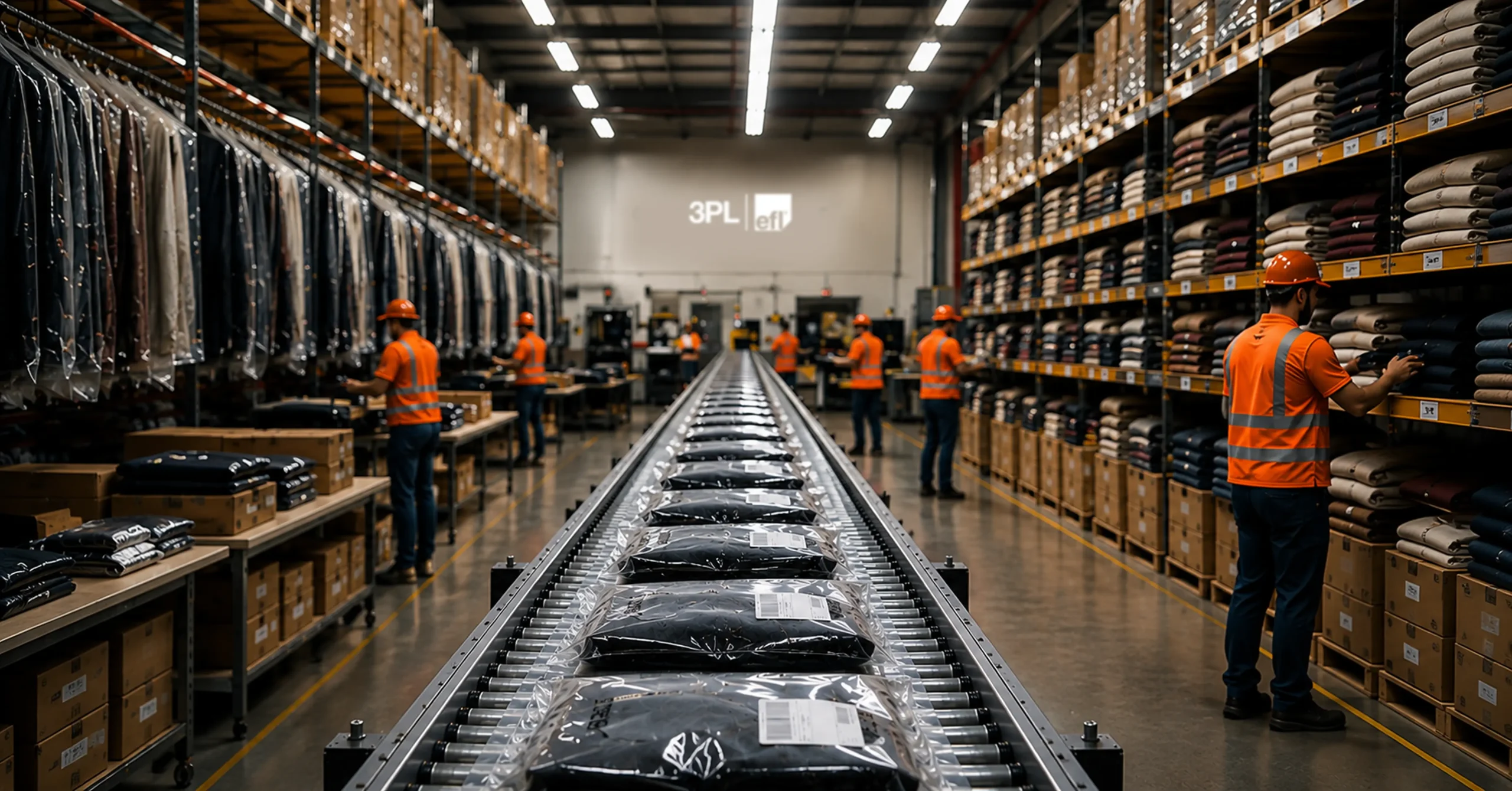
EFL 3PL combines advanced warehouse management systems with industry expertise to optimize both fast and slow-moving automotive inventory in Malaysia.
- Real-Time Inventory Visibility: Centralized platform tracks all SKUs, identifies slow-movers, and automates replenishment for high-demand parts.
- Strategic Distribution Network: Strategically located facilities ensure rapid distribution to workshops and retailers across Malaysia.
- Intelligent Inventory Management: Automated alerts, dynamic reallocation, and integrated workflows handle complex automotive SKU structures efficiently.
- Scalable Operations: Seamlessly expand capacity during peak seasons without compromising accuracy or delivery speed.
EFL 3PL helps aftermarket distributors maintain competitive service levels while controlling inventory costs.
Conclusion
Balancing fast-moving and slow-moving automotive parts requires strategic segmentation, data-driven forecasting, and operational excellence. By implementing proper inventory classification and partnering with specialized logistics providers, Malaysian aftermarket distributors can optimize stock levels, reduce carrying costs, and maintain the service levels that workshops and retailers demand.
With a partner like EFL 3PL, automotive distributors gain the technology, visibility, and operational strength needed to support true aftermarket excellence. From real-time inventory tracking to intelligent stock optimization and scalable distribution operations, EFL 3PL ensures every part is managed efficiently. No matter how fast or slow it moves.