1 September 2026 | 15 Minutes
Top 15 3PL Companies in India for Reliable Third-Party Logistics Services
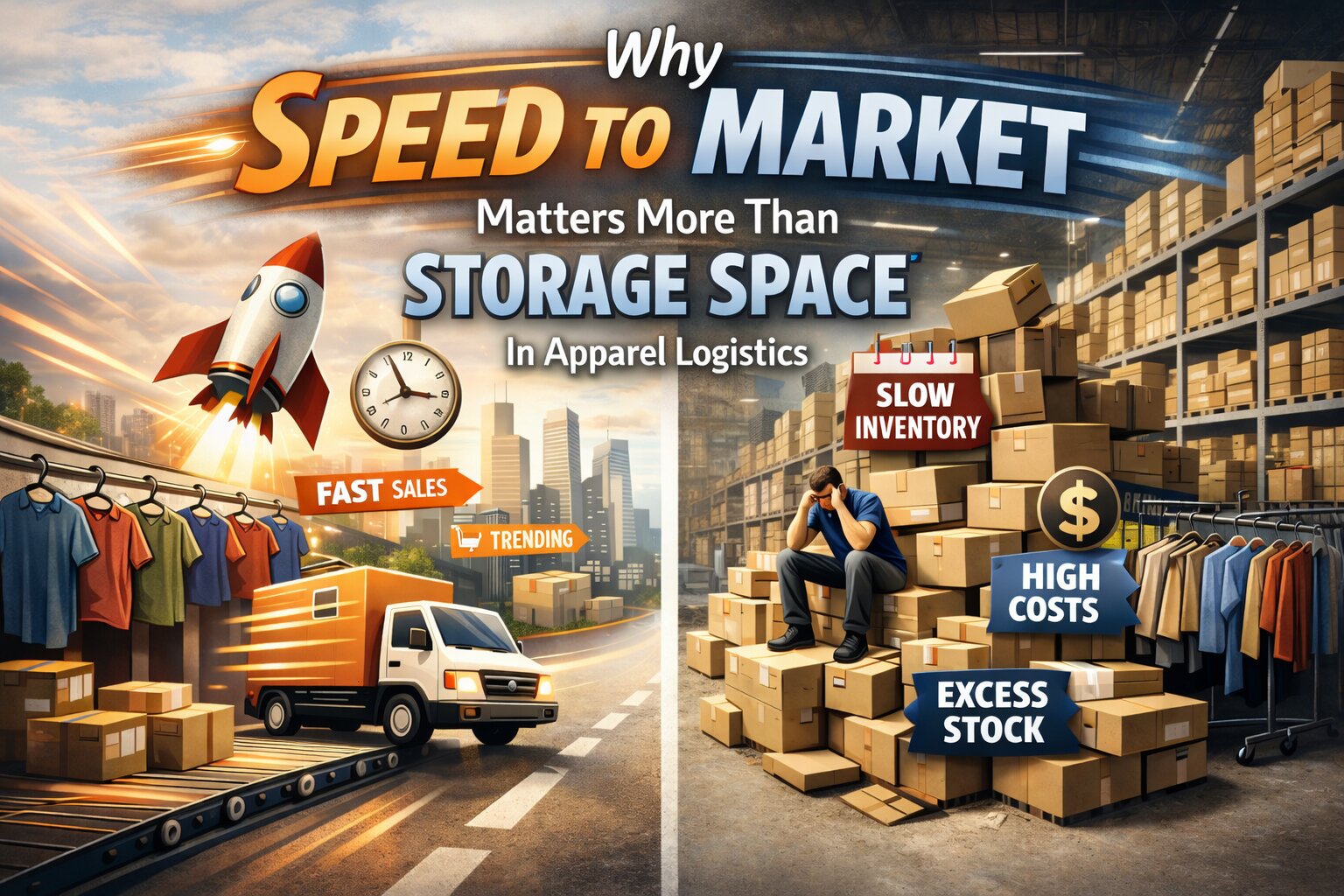
In the apparel industry, value is often created or lost, long before a product reaches the store. Fashion cycles are short, trends change rapidly, and consumer preferences evolve faster than ever. In this environment, the brands that win are not the ones that store the most inventory, but the ones that move it fastest. For apparel brands working with logistics partners, competitive advantage is no longer defined by how much inventory can be stored, but by how quickly products can move through the supply chain. Speed to market has become the defining factor of value creation in modern apparel supply chains. This is what gives them an advantage over other brands working with apparel logistics service providers.
Fashion is driven by relevance. A product that arrives late, even by a few weeks, risks missing its peak demand period. When that happens, brands are forced to react instead of lead, often through higher markdowns/ margin erosion, rushed replenishments, reduced responsiveness to market trends, increased holding costs and lost sales opportunities.
Fast-moving supply chains allow brands to:
The faster a product reaches the market, the greater its commercial impact.
Speed to market is not about rushing operations, it is about designing the supply chain to move without friction. This requires tight coordination across manufacturing, inbound logistics, warehousing, and distribution. The right fashion logistics service provider will understand and facilitate this.
Key enablers of speed include:
These abilities help brands to restock their selling products quickly and they do not have to rely on storing things for a long time. Brands can replenish their bestsellers quickly. Reduce their dependence on long-term storage, for brands. When these elements work together, products move continuously rather than waiting at each stage of the supply chain.
Sri Lanka plays a strategic role in global apparel supply chains, offering strong manufacturing capabilities combined with efficient trade and logistics connectivity. Its location and ecosystem enable apparel brands to shorten lead times and serve regional and global markets more effectively.
With the right logistics partnerships, Sri Lanka can function as a fast-response supply chain node, supporting quick turnarounds, time-sensitive exports, and agile distribution models.
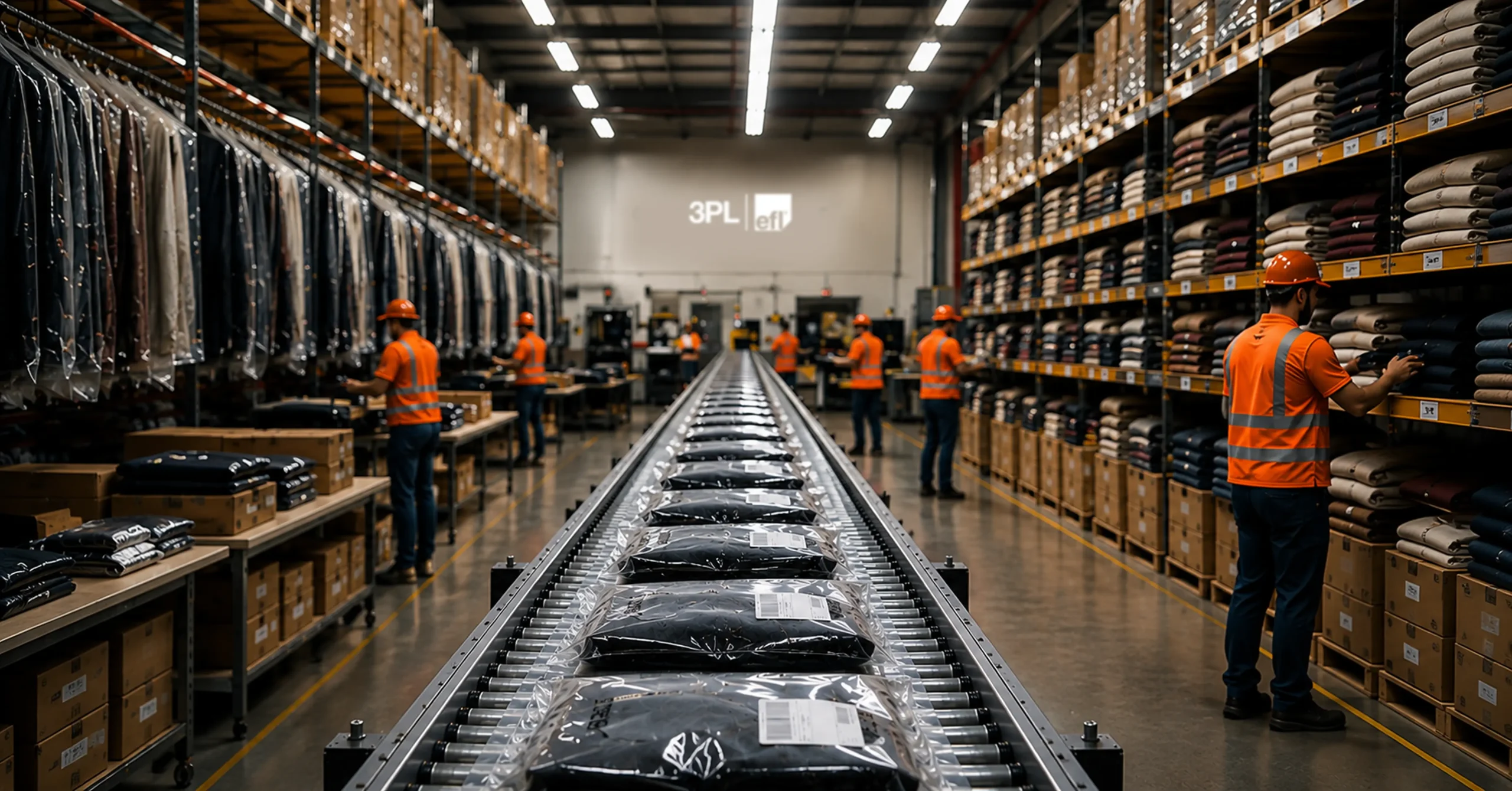
In high-velocity apparel supply chains, speed must come with accuracy. Technology enables both. Advanced Warehouse Management Systems, real-time tracking, and data-driven planning allow logistics partners to execute faster while maintaining control and visibility. These systems help brands make informed decisions, react to demand signals, and keep inventory moving in line with market needs.
Providers like EFL 3PL Global embed speed into their operating model, integrating technology, processes, and people to support fast, accurate, and scalable apparel fulfillment. With the support of the right apparel logistics service provider, brands can focus on product innovation, their core competency, without being burdened by supply chain speed efficiency concerns.
For apparel brands, the right logistics partner is not defined by space or scale, but by responsiveness. The key questions include:
Strong partners enable:
In today’s apparel industry, speed to market is no longer optional, it is fundamental to competitiveness. Brands that design their supply chains for speed gain the ability to stay relevant, protect margins, and respond confidently to change.
Because in fashion, the product that arrives on time is the one that truly delivers value.