1 September 2026 | 15 Minutes
Top 15 3PL Companies in India for Reliable Third-Party Logistics Services
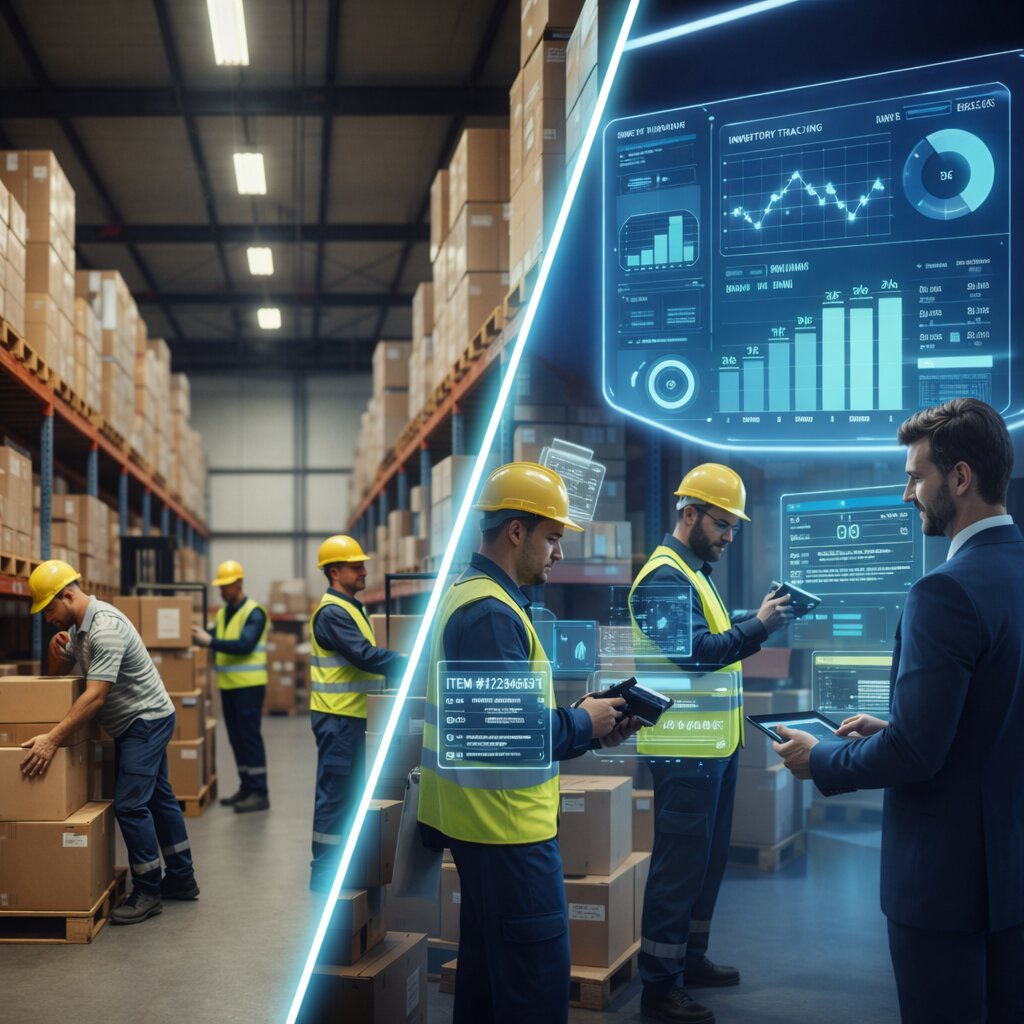
Are we training people simply to work in a warehouse, or are we developing supply chain professionals who understand how the entire supply chain functions? This is a critical question for today’s logistics industry.
Warehouse workers typically focus on operational tasks such as receiving, picking, packing, and dispatching. Supply chain professionals, on the other hand, manage activities across a much broader landscape – inventory planning, systems, transportation, cost control, risk management, and customer performance. The distinction matters, because the way we train people determines not only what they learn, but also how effectively they contribute to the business.
As global trade intensifies and supply chains become more complex, this conversation can no longer be ignored. Logistics is no longer just about moving goods from point A to point B. It is about managing interconnected systems, responding to volatility, and delivering speed, accuracy, and reliability, often under significant cost pressure. The industry needs people who understand the entire supply chain, not just their individual tasks within it.
The difference is vital for third party logistics companies that work in places, like Sri Lanka where competition is high and costs are a big deal.
Historically, warehouse training has focused on execution: loading and unloading, picking, packing, inventory handling, and meeting daily operational targets. These functions are essential, but in many operations, especially within third-party logistics environments, training often stops at “how to do the job.”
Employees are shown what to do, but rarely why it matters in the context of the broader supply chain. As a result, they may perform tasks efficiently, yet struggle to adapt when systems change, demand fluctuates, or customer expectations evolve. This gap limits agility and weakens the overall supply chain, because warehouse operations do not operate in isolation, they are tightly connected to planning, transportation, customer service, and cost performance.
Modern logistics demands far more than execution. Today’s supply chain professionals must understand how decisions made inside the warehouse impact the entire value chain. This includes:
When warehouse teams understand these elements, they stop being task executors and start becoming problem solvers.
Sri Lanka aspires to position itself as a regional logistics and distribution hub. Achieving this ambition requires more than infrastructure – it requires a skilled, adaptable workforce capable of operating at global standards.
In highly competitive markets where margins are tight, such as Sri Lanka, third party logistics providers cannot afford operational silos. Companies like EFL 3PL Sri Lanka demonstrate how global best practices, technology adoption, and structured training can transform warehouse roles into long-term supply chain careers. When employees understand how their daily actions affect lead times, costs, accuracy, and customer satisfaction, operational excellence becomes sustainable rather than reactive.
Training supply chain professionals – rather than only warehouse workers, delivers measurable business benefits:
This shift transforms the warehouse from a cost center into a strategic asset, particularly for third party logistics providers.
The future of logistics belongs to people who can think critically, analyze data, and adapt to change – not just follow instructions. As supply chains grow more complex, the real question becomes unavoidable: Are we merely teaching people how to perform tasks, or are we preparing them to become the next generation of supply chain leaders?
For third-party logistics companies in Sri Lanka and beyond, the answer to this question will define their competitiveness in the years ahead.