1 September 2026 | 15 Minutes
Top 15 3PL Companies in India for Reliable Third-Party Logistics Services
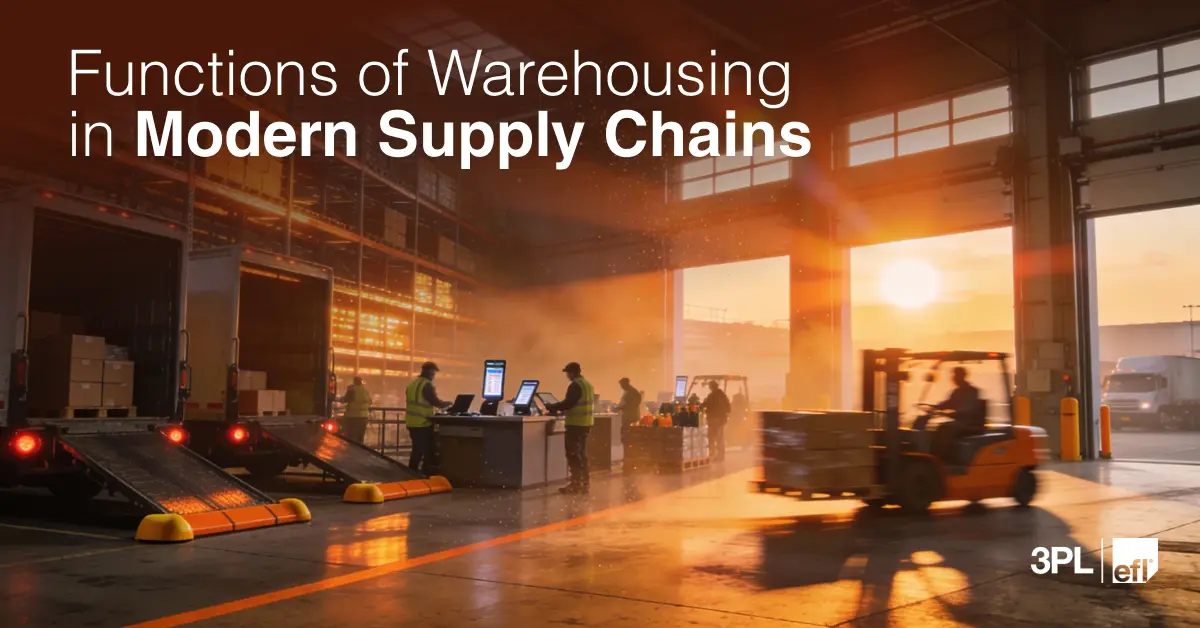
Warehousing rarely gets attention outside operations rooms, yet it quietly determines how smoothly goods move through a supply chain. Whether it is raw material waiting for production, finished goods ready for dispatch, or returns moving back through the system, warehousing sits at the centre of it all.
In modern supply chains, the Functions of Warehousing extend far beyond storage. Warehouses today support pricing stability, inventory accuracy, risk management, order processing, and time-sensitive distribution. They act as control points where physical goods are organised, preserved, and prepared for movement.
This blog explains the core roles of warehousing, why these functions matter, and how structured warehousing underpins logistics performance in real-world operations.
Each function of warehousing exists to absorb uncertainty in supply chains. Demand fluctuates. Production schedules shift. Transport gets delayed. Warehousing is what keeps the system stable when these variables move.
Storage is the most visible function, but also the most misunderstood.
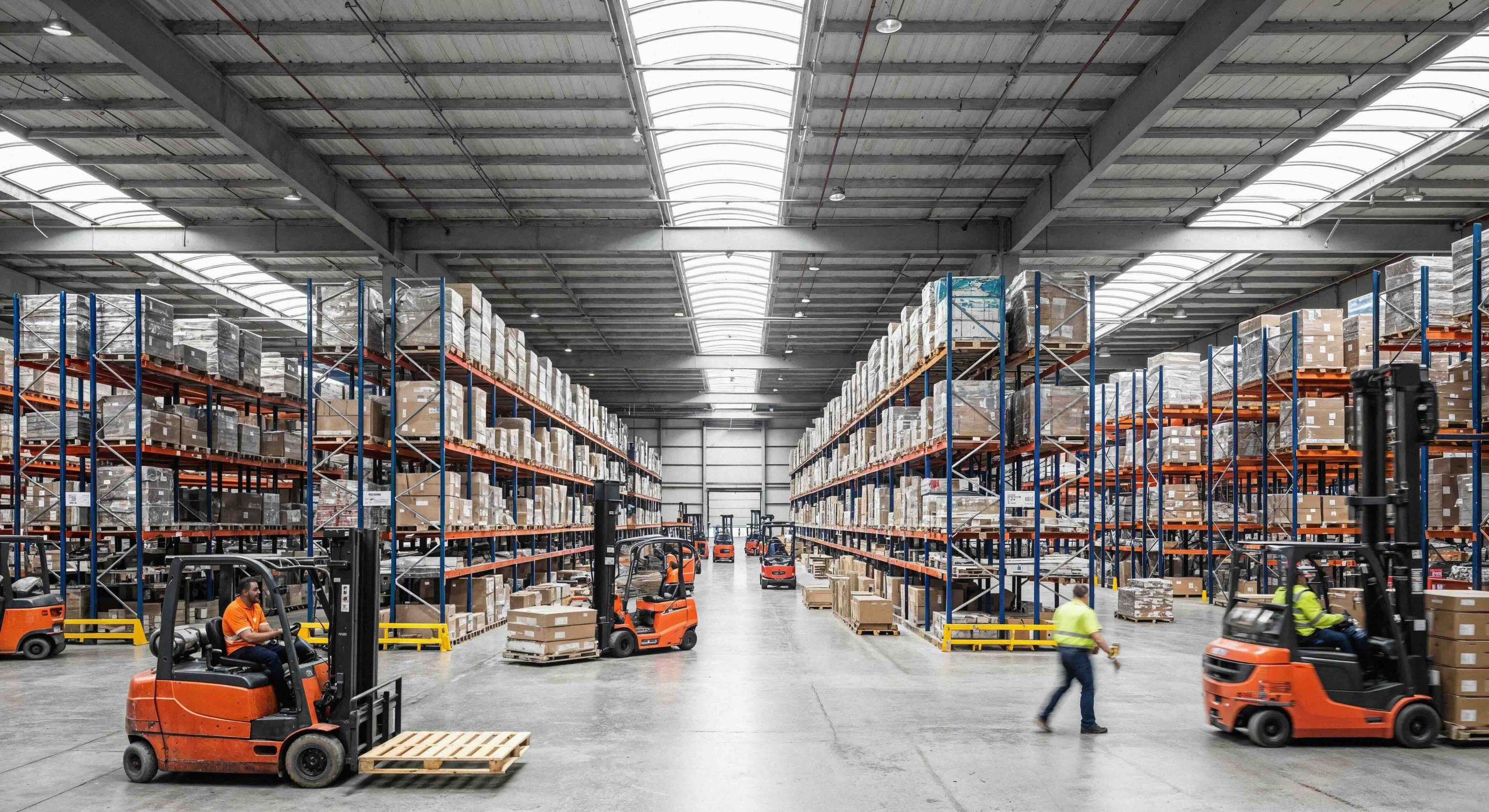
Warehousing allows businesses to stock goods or raw materials that are required for sale or manufacturing well ahead. This applies across industries, from FMCG and retail to manufacturing and pharmaceuticals. Storage creates breathing room between procurement, production, and consumption.
In practice, this means:
When done properly, storage is structured, and continuously monitored. This is why modern warehousing relies on defined layouts and inventory tracking rather than simple space allocation.
This foundational role is central to the Functions of Warehousing, as it enables every other function to operate effectively.
Warehousing plays a quiet but important role in stabilising prices.
By holding goods during periods of oversupply and releasing them when demand increases, warehouses help prevent sudden price swings. This applies particularly to agricultural produce, commodities, and consumer goods with seasonal demand.
Without warehousing:
Warehousing allows controlled release of goods into the market. It separates production cycles from consumption cycles, which helps maintain predictable pricing for both sellers and buyers.
This stabilising effect is one of the less visible but essential roles of warehousing in commercial systems.
Goods face risk at every stage of their lifecycle. Damage, theft, deterioration, contamination, and obsolescence are constant threats.
Warehousing absorbs and manages much of this risk by:
Risk bearing also includes accountability. Once goods enter a warehouse, responsibility for their safekeeping shifts to structured processes. This is why professional warehouse players focus heavily on visiblity systems, access control, audits, and condition checks.
In logistics, this function protects not just physical goods, but also business relationships. A reliable warehouse reduces uncertainty and builds trust across the supply chain.
Warehousing supports financing in more ways than most people realise.
Stored goods represent value. Businesses often use inventory as collateral for loans or working capital arrangements. Warehouses provide proof of quantity, condition, and ownership, which financial institutions rely on.
From a business perspective:
This function becomes increasingly relevant as businesses scale. Structured warehousing strengthens financial planning by making inventory visible and verifiable.
Processing refers to light transformation activities carried out within warehouses. Modern warehouses do not merely store goods. They actively prepare them for the market by offering tailored value added services for different verticals.
In real operations:
Processing adds flexibility. It allows businesses to customise goods closer to the point of sale rather than at the factory.
Warehousing and transportation are deeply connected.
A warehouse acts as a consolidation and break-bulk point. Goods arrive from multiple suppliers, are organised, and then dispatched in optimised loads. This reduces transportation cost and improves delivery efficiency.
Key aspects include:
By positioning warehouses closer to consumption centres, businesses also reduce transit time. This coordination highlights the function of warehouses in logistics as a bridge between static storage and dynamic movement.
One of the most important contributions of warehousing is creating time and place utility.
Goods are made available:
Production rarely aligns perfectly with consumption. Warehousing fills that gap. It allows goods produced today to be sold weeks or months later, in a different location altogether.
This function supports:
Without warehousing, supply chains would collapse under timing mismatches.
When the Functions of Warehousing are executed efficiently, the impact spreads across the entire supply chain.
Key benefits include:
Efficient warehousing reduces firefighting. It replaces reactive decision-making with planned execution.
The importance of warehousing lies in control.
Warehouses act as control centres where inventory is counted, protected, and prepared. They provide a physical anchor in supply chains that are otherwise constantly moving.
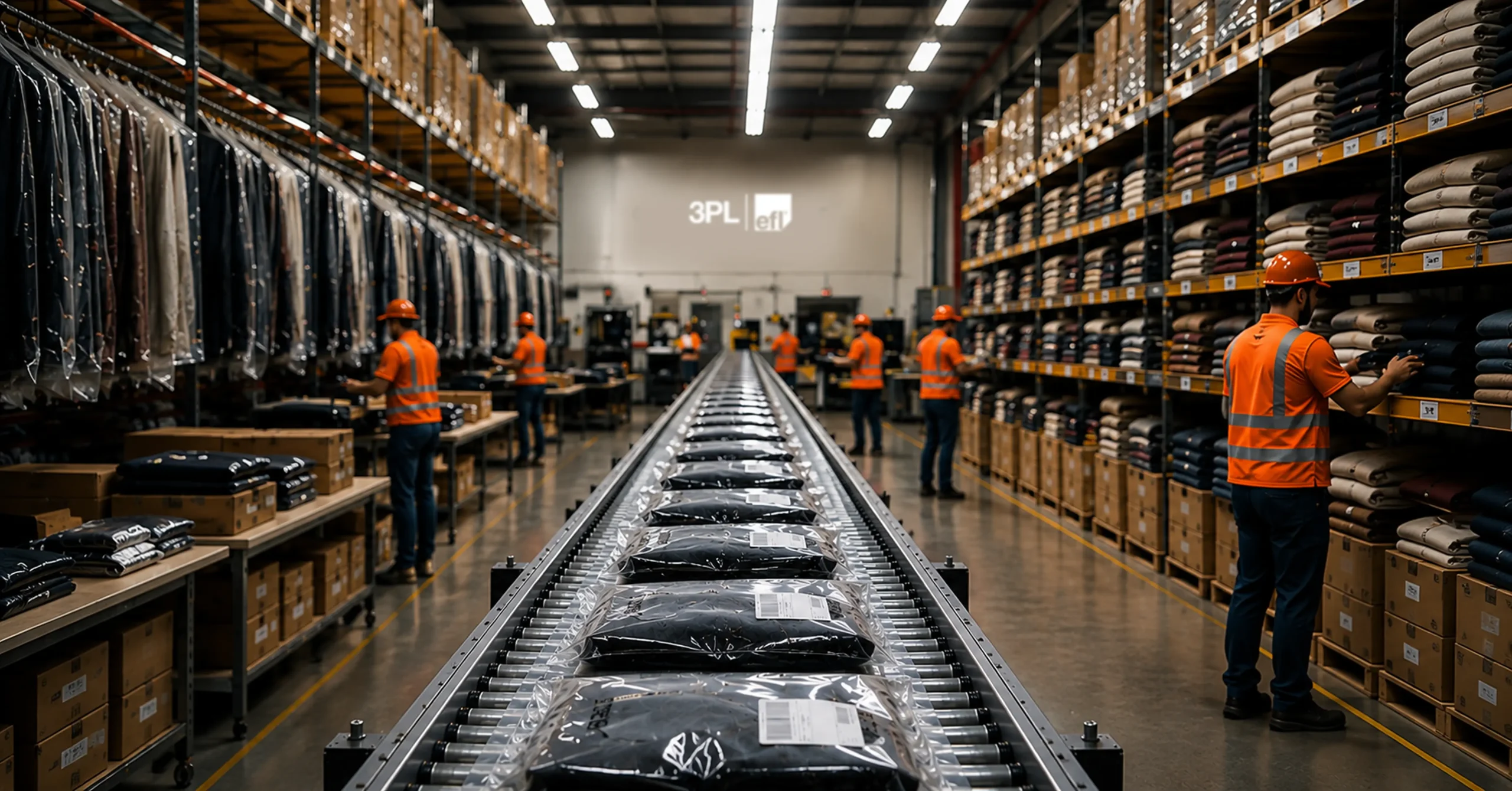
In structured environments, EFL3PL has a proper warehouse setup that supports defined workflows rather than informal handling. This kind of setup ensures consistency, compliance, and scalability.
Warehousing is no longer optional infrastructure. It is a strategic capability.
Despite its importance, warehousing comes with challenges.
Common issues include:
This is why modern warehouses rely heavily on systems and process discipline. The functions of a warehouse management system play a critical role in addressing these challenges.
Such systems support:
These warehouse management functions allow warehouses to operate at scale without losing control.
Warehousing is no longer a passive activity. It is an active contributor to supply chain performance.
The Functions of Warehousing span storage, risk management, value adding activities, Inspection/ QC offering, and distribution. Together, they create structure in otherwise complex supply networks.
In organised environments, EFL3PL keeps track of inventory and ensures the holding and preservation of goods through documented processes rather than assumptions. This reflects how modern warehousing supports reliability, not just capacity.
As supply chains grow more complex, the importance of warehousing will only increase. Not as a cost centre, but as a stabilising force.
Private warehouses store goods for a single organisation, public warehouses offer shared storage on a rental basis, bonded warehouses hold imported goods under customs control, distribution centres focus on rapid sorting and dispatch, and fulfilment centres manage order processing and last-mile readiness.
While interpretations vary, they generally relate to space, systems, safety, staff, stock, speed, and service.
Procurement, transportation, warehousing, inventory management, order processing, packaging, and distribution.
Warehousing supports marketing by ensuring product availability, stabilising prices, and enabling timely distribution.
In logistics, warehousing supports storage, consolidation, risk management, order processing, and distribution coordination.
A warehouse stores, protects, organises, and prepares goods so they can move efficiently through the supply chain at the right time and place.